Reviewing the Medical Red Cross Icon for Embroidery
As an embroidery designer who has spent years testing digital assets against the unforgiving reality of needle and thread, I approach every new Graphics file with a mix of optimism and skepticism. We have all been there: you download a sleek vector or a preview image that looks perfect on screen, only to find it turns into a tangled mess of thread breaks and puckering once it hits the hoop. Today, I am taking a close look at the Medical Red Cross Icon, a design marketed under the broader category of Icons. My goal is not just to describe it, but to evaluate its viability for real-world projects, from custom apparel to boutique merchandise.
First Impressions and Visual Personality
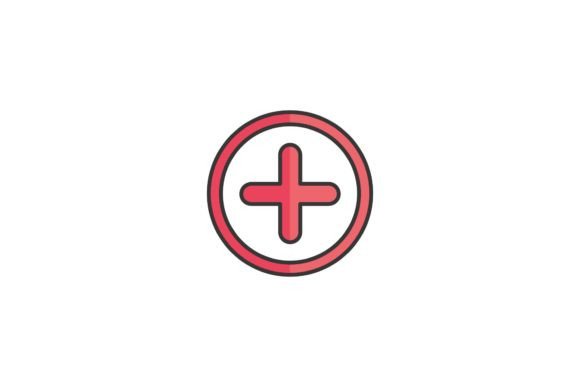
The first thing that strikes me about the Medical Red Cross Icon is its inherent simplicity. In the world of embroidery, simple is often synonymous with sturdy. The red cross is universally recognized as a symbol of humanitarian organizations, medical aid, and care. This immediate recognition factor is a double-edged sword; it draws the eye instantly, but it also demands precision. There is no room for error in a geometric shape this iconic. If the lines are not straight or the corners are not sharp, the entire design loses its professional authority.
The mood this design creates is one of trust, urgency, and professionalism. It does not scream for attention with intricate florals or complex shading. Instead, it relies on bold contrast and clean lines. For a designer, this means the visual personality is serious and functional. It naturally belongs to projects where clarity is paramount. When I visualize this machine embroidery design, I do not see it getting lost in busy patterns. It stands alone, demanding respect through its minimalism.
Real-World Application: The Custom Tote Bag Scenario
To truly test a design, I imagine it in a specific client scenario. Let us say a local clinic or a nursing student group approaches me for a batch of custom tote bags. They need something durable, recognizable, and quick to produce. This is where the Medical Red Cross Icon shines. I envision stitching this onto a heavy-duty canvas tote bag design. The thick fabric provides a stable base, allowing the stitches to lay flat without sinking into the weave.
In this context, the design acts as a badge of honor. It transforms a generic bag into a piece of handmade product identity. Customers reacting to this item would likely perceive it as high-quality and purposeful. The simplicity of the icon ensures that even from a distance, the message is clear. For an Etsy seller or a small shop product creator, this kind of instant recognizability can drive engagement. It is not just a decoration; it is a statement.
Performance Across Different Fabrics and Items
Beyond tote bags, how does this embroidery file perform on other materials? I have found that geometric Icons like this one are versatile but require adjustments based on the substrate.
- Sweatshirt Embroidery: On fleece or cotton blends, the Medical Red Cross Icon needs sufficient density to prevent the fabric from showing through the stitches. A solid fill stitch approach works best here, creating a plush, tactile feel that adds value to the custom apparel.
- Caps and Hats: Curved surfaces are tricky. If you are placing this on a cap, ensure the design is scaled correctly. A large, dense block of red thread can cause pulling on the front panel of a hat. You might need to reduce the stitch density slightly or use a lighter weight stabilizer to maintain the curve without distortion.
- Baby Embroidery: For baby items, softness is key. While the symbol is strong, the execution must be gentle. Using high-quality rayon or polyester threads ensures the finished product is not scratchy against sensitive skin. This makes it an excellent choice for personalized gift items like burp cloths or nursery decor.
- Embroidered Patch Creation: This design is ideal for patches. The clean edges allow for a tight satin stitch border, which prevents fraying and gives a professional, military-grade aesthetic.
Technical Considerations for Designers
While the concept is simple, the technical execution requires attention. When working with any digital embroidery file, especially one with sharp angles like a cross, you must watch out for corner buildup. If the design uses a satin stitch for the arms of the cross, ensure the software handles the turns smoothly to avoid bird nests or thread breaks. If it uses a fill stitch, check the angle of the stitching. Horizontal or vertical fills may look different depending on the grain of the fabric.
Color contrast is another critical factor. The classic red on white is powerful, but what if you are stitching on dark fabric? You may need to add an underlay or choose a brighter shade of red to ensure visibility. Always test your thread colors on scrap fabric first. I recommend running a test on both light and dark backgrounds to see how the Medical Red Cross Icon pops. Additionally, inspect the small details. Even though it is an icon, the intersection of the two bars must be clean. Any misalignment here will be obvious to the viewer.
Where to Use Caution
Not every project is suitable for this design. Avoid using it on highly textured fabrics where the geometric lines might get lost in the weave, such as chunky knits or bouclé. Similarly, be cautious with stretchy fabrics like spandex unless you use a cut-away stabilizer to provide enough support. The rigid nature of the cross can cause distortion if the fabric stretches too much during wear. Also, consider the hoop size. If you are working with a very small hoop, ensure the design is scaled down proportionally so that the stitch count does not become too dense for the area, which could lead to perforation of the material.
Commercial Viability and Brand Trust
For craft business owners and commercial embroidery professionals, this design offers high value due to its versatility. It fits seamlessly into design assets for healthcare workers, first responders, or humanitarian charities. However, a crucial note on licensing: the red cross symbol is protected in many jurisdictions. While the product description mentions it is a symbol of humanitarian organizations, you must confirm the licensing terms before selling finished items or printable mockup previews. Ensure that your use complies with local laws regarding the use of medical symbols. Always check the specific license provided by the creator, WH, to confirm whether it allows for commercial use in finished product sales.
In conclusion, the Medical Red Cross Icon is a robust, practical addition to any designer’s library. It is not flashy, but it is effective. When executed with proper tension, stabilizer, and thread choice, it elevates simple items into meaningful embroidery project successes. Whether you are creating holiday embroidery gifts for nurses or branding for a small shop product line, this design holds up under scrutiny. Just remember to test, verify your rights, and stitch with precision.