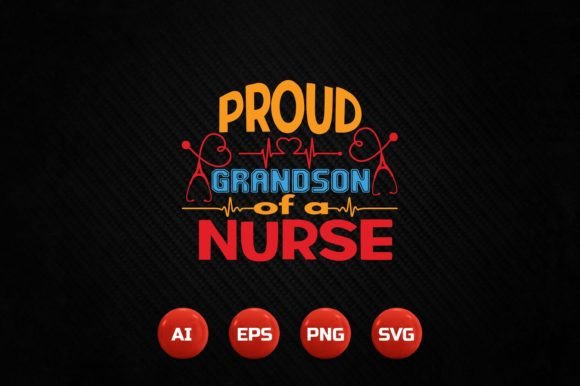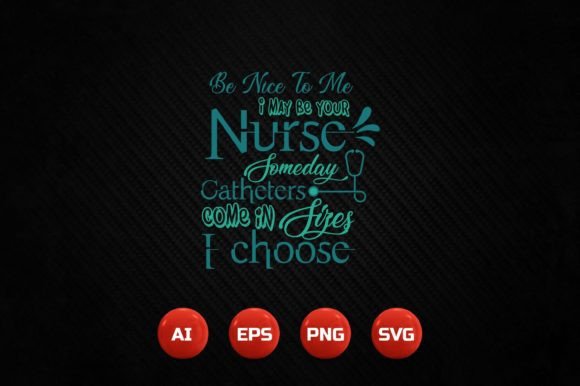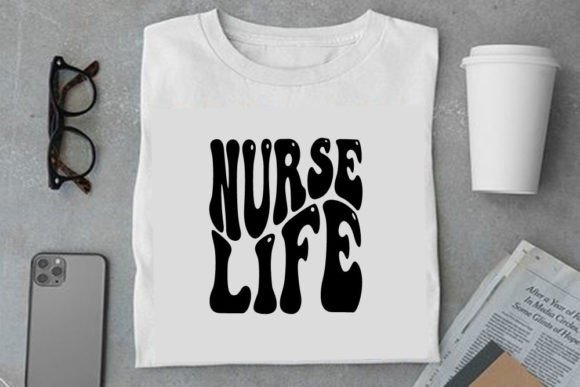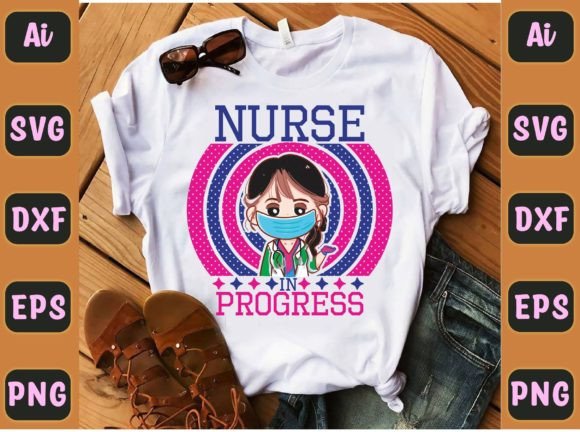
Nurse T-Shirt Design 59: A Designer’s Practical Review
As someone who spends more time staring at stitch simulations than actual fabric, I have developed a keen eye for what translates well from screen to thread. When I first pulled up Nurse T-Shirt Design 59, my initial reaction was not just about aesthetics, but about feasibility. In the world of embroidery, a pretty picture does not always make a good stitch-out. This design, categorized under T-Shirt Designs and Graphics, promises versatility with its vector-based origins, but does it hold up when the needle hits the hoop?
First Impressions and Visual Personality
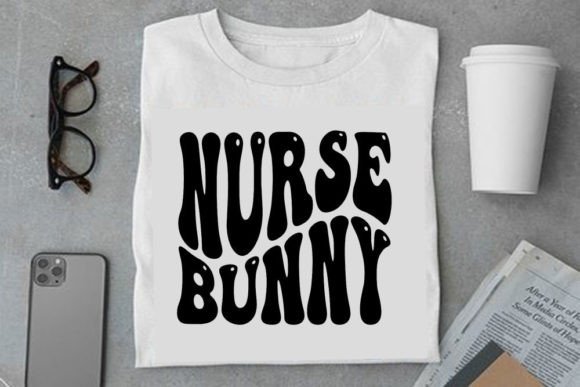
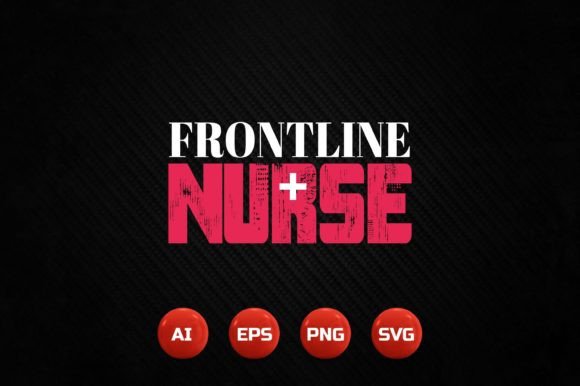
The immediate mood of this piece is professional yet approachable. It captures the essence of the frontline nurse without relying on overly cliché or cluttered imagery. The layout feels balanced, which is crucial when you are working with the limitations of an embroidery machine. Because the source files include AI, EPS, PNG, and SVG formats, we know we are dealing with clean, scalable vectors. This matters because it means the lines are crisp, and the shapes are defined.
For a designer, the fact that there are 100 vector shapes that are resizable gives us significant control. We are not stuck with a rigid bitmap that pixelates when we zoom in. Instead, we can adjust the scale to fit various hoop sizes, from a small left-chest logo on a scrub top to a larger statement piece on the back of a hoodie. The visual personality is clean, making it suitable for both modern boutique branding and traditional handmade gifts.
Real-World Application: The Custom Sweatshirt Scenario
To truly evaluate Nurse T-Shirt Design 59, I imagined a real-life client project. Let’s say a local hospital unit wants custom sweatshirts for Nurse Appreciation Week. They need something that looks professional enough to wear in a clinical setting but special enough to feel like a gift. This is where the design shines.
If I were digitizing this for a sweatshirt, I would lean into the fill stitch capabilities for the larger solid areas to ensure durability and coverage. The design’s structure allows for easy color changes, which is a massive advantage. You can match the specific scrubs color of the unit or go with classic medical blues and whites. The print-ready nature of the included files also means I can create high-quality printable mockups for the client to approve before I even thread the machine. This saves time and builds trust, showing the customer exactly what their finished product will look like.
Performance on Different Fabrics and Hoops
One of the most critical aspects of any embroidery file is how it behaves on different materials. Since this design originates as digital clip art with vector shapes, it is inherently flexible. However, as an experienced reviewer, I must point out where caution is needed.
For stable fabrics like cotton tote bags or canvas aprons, this design should perform beautifully. The stitch density appears manageable, meaning it won’t pucker the fabric if paired with the correct stabilizer. On a tote bag design, the bold lines will stand out against the textured weave, creating a high-contrast, professional look.
However, when moving to stretchy fabrics like performance scrubs or thin baby clothes, you need to be careful. If the design has dense areas, it might pull on lightweight knits. I recommend testing the design on scrap fabric first. Check how the satin stitch edges hold up on stretch material. You might need to use a cut-away stabilizer rather than tear-away to prevent distortion after washing. For curved surfaces like caps, the design’s simplicity is an asset. Complex, wide designs often distort on the front panel of a hat, but the contained nature of this graphic should sit nicely without excessive pulling.
Considerations for Small Details and Stitching Clarity
While the design is described as having 100 vector shapes, we must consider how these translate to thread. Tiny details can get lost in stitching. If there are fine lines or small text elements within the graphic, they may merge together if the stitch density is too high or if the thread color lacks contrast.
I advise reviewing the design in black and white mockups. This strips away the distraction of color and lets you see the structural integrity of the shapes. If the design relies on subtle gradients, remember that embroidery uses solid thread colors. You will need to rely on stitch angles and density to create shading, which requires skilled digitizing. Since you are getting the vector files, you have the opportunity to simplify complex areas before converting them into a machine embroidery design, ensuring that every satin stitch and running stitch serves a purpose.
Commercial Viability and Brand Consistency
For Etsy sellers and small shop owners, Nurse T-Shirt Design 59 offers strong commercial potential. The healthcare niche is evergreen, and personalized gifts for nurses are in high demand year-round, not just during holidays. The ability to easily change colors means you can offer customization options without redesigning the entire asset. This increases the perceived value of your handmade product.
When using this for commercial embroidery projects, consistency is key. Ensure that the thread colors you choose align with your brand palette. Whether you are creating embroidered patches for a boutique or direct-to-garment prints for a larger run, the clarity of the original vector ensures that your branding remains sharp. Customers associate clean, crisp embroidery with quality. A messy stitch-out can damage your reputation, but a well-executed version of this design can enhance buyer engagement and trust.
Practical Notes for the Embroiderer
Before you commit to a full production run, keep these practical tips in mind:
- Test on Scrap Fabric: Always stitch a sample on the same type of fabric you plan to use for the final product. This helps you identify any tension issues or puckering.
- Check Thread Contrast: Ensure your thread colors stand out against the fabric. Low contrast can make the design look muddy from a distance.
- Confirm Licensing: While the item description mentions it is print-ready and includes various file types, always double-check the specific license terms for selling finished items or digital products. Clarify if the license covers commercial use for physical goods versus digital resale.
- Stabilizer Selection: Match your stabilizer to your fabric. Use cut-away for stretchy knits and tear-away for stable wovens.
- Hoop Size Verification: Although the vectors are resizable, ensure your machine’s hoop size can accommodate the dimensions you choose without needing to re-hoop, which can cause alignment issues.
In conclusion, Nurse T-Shirt Design 59 is a robust asset for designers who understand the nuances of embroidery. It is not just a static image; it is a flexible tool that, when used with proper technique and attention to detail, can elevate a simple t-shirt or tote into a cherished keepsake. By respecting the limitations of the medium and leveraging the strengths of the vector format, you can create high-quality, professional results that resonate with customers and stand the test of time.