Retro Nurse Design: A Practical Embroidery Review
As a designer who has spent countless hours digitizing and stitching out files for clients, I have learned that not every graphic translates well to thread. When I first encountered the Retro Nurse Design, Nurse Life asset pack, my immediate reaction was one of cautious optimism. The aesthetic is undeniably charming, tapping into that nostalgic, mid-century medical vibe that has become increasingly popular in boutique apparel. However, seeing a flat image is very different from watching a needle punch through fabric. This review breaks down how this design performs in real-world embroidery scenarios, moving beyond the digital preview to the tangible finished product.
First Impressions and Visual Personality
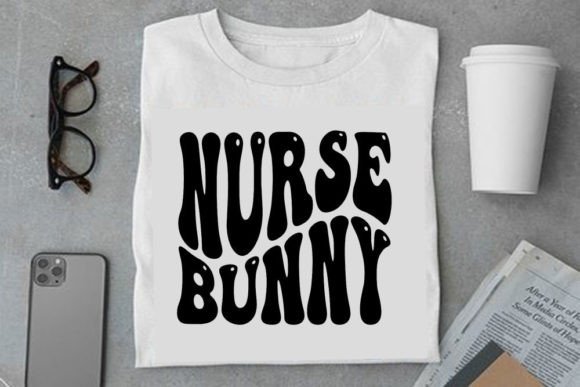
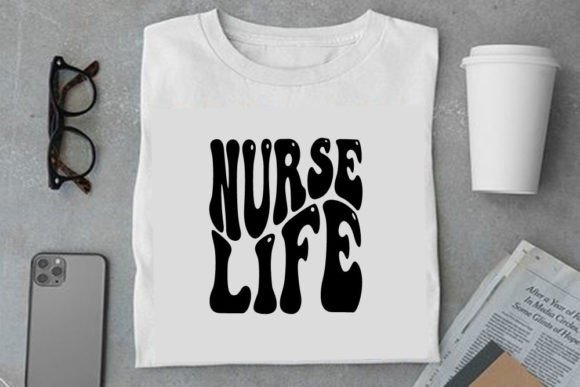
The mood of this design is warm, professional, and slightly playful. It avoids the sterile, cold imagery often associated with modern healthcare graphics, opting instead for a softer, more approachable look. For an embroidery project, this is crucial. The shapes appear bold enough to hold up under stitching, which is a common failure point for intricate digital graphics. When I visualize this on a garment, I see it working best where clarity is key. The layout suggests a central focal point, likely intended for chest placements or back panels, rather than all-over prints.
For those of us who sell T-Shirt Designs or custom Graphics, the visual personality here is a strong selling point. It speaks directly to nurses, nursing students, and healthcare advocates who want to express pride in their profession without wearing something that looks like a uniform. The retro styling adds a layer of fashion-forward intent, making it suitable for casual wear rather than just workwear.
Real-World Application: The Custom Tote Bag Test
To truly evaluate a design, I like to imagine it on a specific product. Let’s consider a heavy-canvas tote bag, a staple item for many Etsy sellers and craft fair vendors. Canvas is a forgiving fabric, but it has a distinct texture. If the Retro Nurse Design, Nurse Life relies on very fine lines, they might get lost in the weave of the canvas. However, given the retro theme, I anticipate thicker outlines and solid fills.
In this scenario, the design would serve as a perfect personalized gift for a nursing graduate. Stitching it onto a neutral-toned bag allows the thread colors to pop. The durability of embroidery makes it superior to vinyl for items that will be tossed in a wash cycle frequently. A handmade product like this benefits from the tactile quality of thread, adding perceived value that a printed image simply cannot match. Customers often associate embroidery with higher quality and longevity, which can justify a higher price point for your small shop product.
Navigating Fabric and Hoop Constraints
While the design is versatile, there are areas where caution is required. Embroidery is not printing; it has physical limitations. If you are planning to use this on stretchy fabrics like jersey knits for sweatshirt embroidery or custom apparel, you must pay attention to stitch density. High-density areas can cause puckering if the proper stabilizer is not used. I recommend using a cut-away stabilizer for garments that will be washed often, as it provides long-term support against the pull of the threads.
Another consideration is hoop size. Before purchasing or downloading, always confirm the maximum hoop size your machine supports. If the design is large, it may need to be split or resized, which can distort the retro proportions. For smaller items like baby embroidery on onesies or caps, you might need to scale the design down. Be careful here: reducing size too much can merge small details, turning clear text into a blob of thread. Always stitch out a test on scrap fabric of the same type before committing to the final piece.
Technical Considerations for Digitizers and Makers
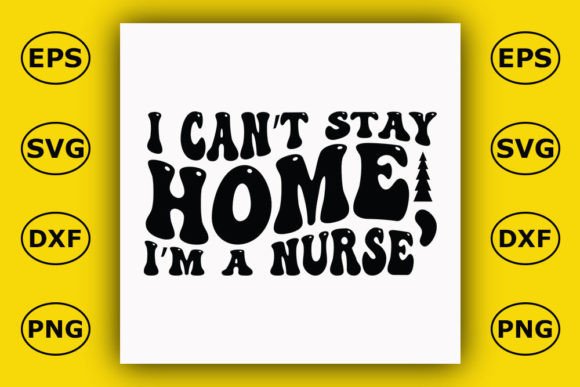
The product description notes that you receive SVG, PNG, EPS, DXF, and JPG files. It is important to clarify that these are primarily vector and raster graphic formats, ideal for cutting machines like Cricut or Silhouette. For machine embroidery, you typically need specific file formats such as PES, DST, or JEF, depending on your machine brand. If this pack does not include native embroidery files, you will need to digitize the SVG or EPS yourself or hire a digitizer. This is a critical step for any serious craft business. Auto-digitizing from SVG can sometimes result in inefficient stitch paths, so manual adjustment of satin stitch widths and fill stitch angles is often necessary to achieve a professional look.
If you are using this as a reference for hand embroidery or appliqué, the clear lines in the SVG format are invaluable. An applique design approach could work beautifully here, using fabric pieces to create the main shapes and then using a satin stitch border to secure them. This reduces stitch count and bulk, making it ideal for textured fabrics or items where comfort is a priority, such as baby clothes or inner layers of jackets.
Enhancing Brand Consistency and Customer Trust
For commercial embroidery projects, consistency is key. Using a cohesive design like Retro Nurse Design, Nurse Life across a product line—such as matching mugs, shirts, and patches—creates a strong brand identity. When customers see high-quality stitching and thoughtful design choices, their trust in your brand increases. This is particularly important for holiday embroidery gifts or corporate orders for hospital staff appreciation events.
The visual appeal of this design lies in its balance. It is detailed enough to be interesting but simple enough to be readable from a distance. This makes it effective for embroidered patch creation, where space is limited. A well-executed patch can be sold separately or used to embellish denim jackets, bags, and hats, expanding your product offerings without requiring new design work.
Final Verdict and Practical Advice
The Retro Nurse Design, Nurse Life is a strong contender for makers looking to tap into the healthcare niche with a stylish twist. Its success in embroidery will depend largely on your technical execution. Here are my top recommendations for using this asset:
- Test on Scrap Fabric: Always run a test stitch-out to check for registration issues and thread breaks.
- Check Thread Contrast: Ensure your thread colors stand out against the fabric. Retro palettes often use muted tones, which may disappear on dark fabrics.
- Verify File Usage: Confirm if the included files are ready-to-stitch embroidery formats or if they require digitizing. The listed formats suggest graphic use, so plan accordingly.
- Consider the End Use: For items that undergo frequent washing, reinforce the design with appropriate stabilizers and high-quality polyester threads.
- Licensing Check: Before selling finished items or digital products derived from this design, review the license terms to ensure commercial use is permitted.
In conclusion, this design offers a solid foundation for a variety of embroidery projects. Whether you are creating a tote bag design for a local craft fair or a set of design assets for your online store, the retro aesthetic provides a timeless appeal. By paying attention to the technical details of stitching and fabric choice, you can transform this digital graphic into a high-value, tangible product that resonates with your customers.