Reviewing the Healthcare Medical Logo for Stitching
As a designer who has spent years translating digital vectors into thread, I approach every new Healthcare Medical Logo or Icon Design with a mix of optimism and caution. We have all seen those beautiful, crisp vector files that look stunning on a screen but turn into a tangled mess of broken needles and puckered fabric once they hit the embroidery machine. Today, I am evaluating a specific set of assets described as a Pixel Perfect Healthcare Medical Logo or Icon Design Vector Image Template. This package includes three distinct styles: filled, outline, and flat. My goal is to determine if this graphic holds up under the needle for real-world commercial and personal projects.
First Impressions and Visual Personality
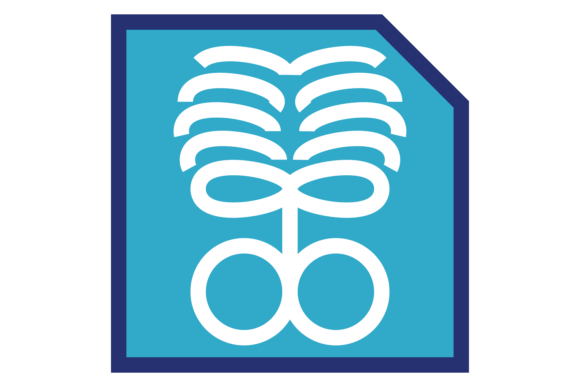
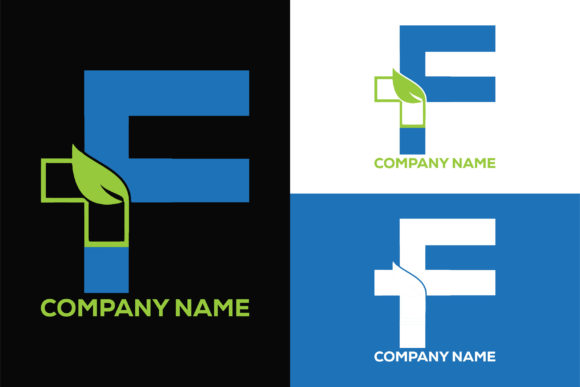
The immediate appeal of this Healthcare Medical Logo or Icon Design lies in its versatility. In the world of medical branding, clarity is paramount. The design avoids unnecessary clutter, which is a blessing for embroiderers. The "filled" style offers a bold, solid presence, while the "outline" version provides a delicate, modern aesthetic. The "flat" style sits comfortably in between, offering enough detail to be recognizable without demanding excessive stitch density.
When I visualize this logo stitched onto a canvas tote bag or a nurse’s scrub cap, the clean lines suggest professionalism. It does not scream; it communicates. For small business owners and Etsy sellers, this subtlety is crucial. A medical logo needs to inspire trust, not distract. The visual personality here is calm, competent, and clean. It feels like it belongs on high-quality merchandise rather than cheap promotional giveaways.
Real-World Application Scenarios
Let us move beyond theory and look at how this design performs in actual production. Imagine you are preparing a custom order for a local clinic. They want branded sweatshirt embroidery for their staff. The filled style of this Healthcare Medical Logo or Icon Design would work exceptionally well here. The solid areas allow for consistent fill stitches that hold up to frequent washing, a key requirement for medical apparel. The shape is compact enough to fit comfortably on the left chest area without distorting the fabric.
Consider another scenario: a handmade baby shower gift. You are creating a personalized blanket or a soft onesie. Here, the outline style becomes your best friend. Heavy fill stitches can make baby items stiff and uncomfortable. By using the outline version, you rely more on running stitch or satin stitch borders, keeping the textile soft and flexible. This adaptability makes the design a valuable asset for crafters who need to switch gears between heavy-duty corporate gear and delicate personal gifts.
For those running a boutique shop, this graphic serves as an excellent base for an embroidered patch. Patches require dense stitching to prevent fraying, and the filled style provides that necessary structure. Whether you are selling these patches online or using them to brand your own packaging, the sharp corners and clear geometry of the logo ensure that the final product looks premium.
Navigating Technical Challenges
While the design is promising, there are areas where caution is required. As an experienced reviewer, I must point out potential pitfalls regarding stitch density and fabric choice. The filled style, by nature, requires more thread coverage. If you attempt to stitch this on thin, stretchy fabric like a lightweight jersey t-shirt without proper stabilization, you risk puckering. Always use a cut-away stabilizer for stretchy garments to maintain the integrity of the machine embroidery design.
Small details are another critical factor. If you plan to scale this logo down for a small hoop size, such as a 4x4 inch hoop for a cap or a baby hat, test the outline version first. Tiny corners in the filled style can become bulky knots of thread if the digitizing is not optimized for small scales. I recommend running a test stitch-out on scrap fabric identical to your final project material. This simple step saves hours of frustration and prevents wasted materials.
Dark fabrics present their own challenge. If you are stitching the outline style on navy blue scrubs, ensure your thread color contrast is high. A white or light grey thread will pop, but a subtle tone might get lost in the texture of the fabric. Always check your design in black and white mockups to verify visibility before committing to the final stitch.
Impact on Brand Value and Customer Trust
Why does the quality of your Graphics matter? Because it directly influences perceived value. A crisp, well-stitched logo signals professionalism. For healthcare providers, this translates to trust. Patients and clients subconsciously associate neat, precise branding with careful, precise medical care. Using a low-quality or poorly adapted design can undermine this perception.
For the Etsy seller or craft business owner, this design enhances product marketability. Clean, recognizable icons perform better in printable mockups and digital previews. When customers scroll through listings, they are drawn to clarity. A muddled, overly complex logo gets skipped. This Healthcare Medical Logo or Icon Design, with its three style options, allows you to tailor the visual weight to your specific product line, ensuring consistency across your brand assets.
Practical Notes for the Embroiderer
Before you load this file into your machine, keep these practical tips in mind:
- Check the File Format: Ensure the downloaded template includes the specific embroidery file format compatible with your machine. While the description mentions vector images, you will need a converted digital embroidery file for stitching.
- Test Stitch Density: Run a sample on similar fabric to see if the fill stitch is too dense. Adjust tension if necessary.
- Verify Licensing: Confirm whether the license allows for commercial use if you plan to sell finished products like tote bags or aprons.
- Thread Selection: Use high-quality polyester thread for medical apparel due to its durability and resistance to harsh laundering chemicals.
- Hoop Size: Match the design size to your hoop. Do not force a large design into a small hoop without resizing, which can distort proportions.
In conclusion, this Healthcare Medical Logo or Icon Design is a versatile tool for the modern maker. It bridges the gap between digital precision and tactile craftsmanship. Whether you are creating a single personalized gift or a batch of commercial uniforms, understanding how these styles interact with different fabrics and hoop sizes will elevate your final product. Take the time to test, adjust, and refine. The result will be a finished product that not only looks professional but stands the test of time and wear.